Your First Open Session: A Plan for Finding the Way In
A first open sports session feels easier to enter when you know what to bring, how to join in and which practical signs can guide your next choice.
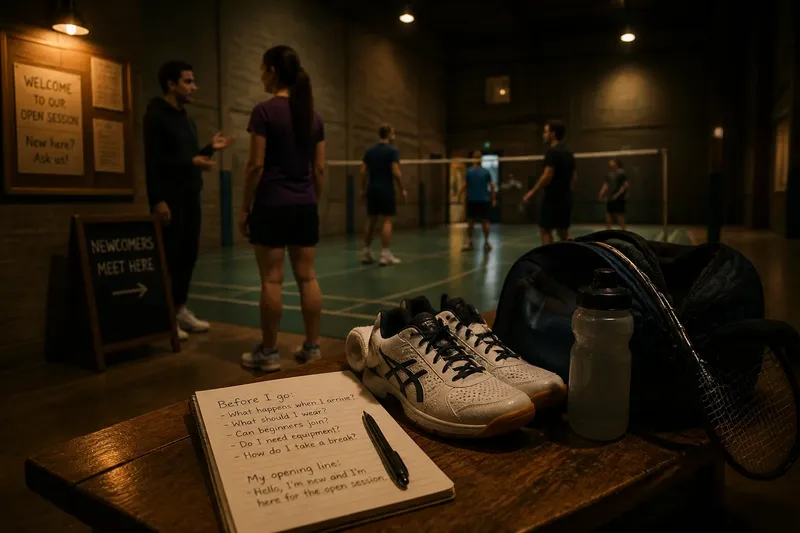
Your first open sports session is easier to enter when you know how the activity works and what you need to participate. Before you go, ask about the session format, required kit and any steps for joining; use the answers to decide whether it suits your needs.
What should you confirm before you go?
Contact the organiser through the club or venue’s listed channel. Give the activity and session you are considering, then ask only the questions that affect your decision:
- What do newcomers do when they arrive?
- Will someone explain the activity before it begins?
- What clothing or footwear is required?
- Can beginners join at their current level, or is previous experience expected?
- Can you leave or pause between activities?
- Is any personal equipment needed, or can the venue provide it?
Check each answer against your situation. If the organiser names a particular entrance, save the directions; if the answer is unclear, ask for clarification before setting off. If specialist equipment is required, ask whether there is a loan option before buying anything.
Do not spend time learning every rule or rehearsing a detailed account of your sporting history. A clear question about entry and participation is more useful than trying to prepare for every possibility.
How do you prepare to participate?
Follow the organiser’s guidance on clothing, footwear and equipment. Check the venue name and entrance, and keep any arrival instructions somewhere easy to find. Bring ordinary essentials such as water if appropriate for the activity, but do not add specialist kit unless the organiser says it is needed.
Have a short opening line ready: “Hello, I’m new and I’m here for the open session.” Then ask where to put your belongings and what happens next. These practical questions help you start participating without needing to know the group’s routines in advance.
How can you join in without knowing the routine?
Listen for the explanation, then ask for the next action if anything remains unclear. Useful questions include “Where should I stand?”, “Which group should I join?” and “How do I rotate?” You do not need to copy other participants while missing an instruction; asking once can prevent confusion during the activity.
Say you attend a community badminton session and the organiser explains that players rotate after each game. You ask where waiting players should stand, then join a court when invited. The observable result is that you know how to enter the rotation; whether you enjoy the session is a separate decision.
If you need to pause, tell the organiser before stepping away, particularly if people are taking turns or sharing equipment. If the session’s format does not leave a clear moment to ask, wait for a break and request the instructions then.
What practical signs should you check before returning?
Use the details below to decide what to do next. Each observation points to a practical choice, not a judgement about your ability.
- Arrival: If you could identify the organiser and get directions, decide whether the arrival process works for you; if not, ask who greets newcomers before returning or choose a session with a clearer entry point.
- Instructions: If you understood the activity after an explanation, consider returning; if important directions remained unclear, ask whether the leader can explain them before play or try a more introductory session.
- Equipment: If the required kit was available or easy to borrow, decide whether you are willing to use it again; if not, ask about alternatives or select an activity with manageable equipment needs.
- Participation: If you had a clear way to join and pause, decide whether that format suits you; if you were left unsure when to enter, ask how newcomers are included or look for a guided session.
- Communication: If questions received clear, respectful answers, consider returning; if they were dismissed, ask the organiser how newcomers are supported or choose another group.
- Session pace: If you could follow the activities, decide whether the pace feels comfortable; if you repeatedly lost track, ask about a beginner option or try a slower format.
A single awkward moment may not tell you enough. Separate what happened from your response to it: “The organiser showed the rotation” is an observation; “I felt rushed when the next game began” describes your experience. Both can guide a decision to return, ask a follow-up question or try another setting.
What should you ask before your next visit?
Can you watch before joining?
Ask the organiser, since each session sets its own approach to observers. If watching is allowed, ask where to stand so you stay clear of play and coaching.
How early should you arrive?
Ask when someone will be available to greet newcomers. Follow that guidance rather than arriving when the venue may be quiet or the session already under way.
What should you wear?
Ask about the activity and venue’s clothing and footwear requirements. Follow the organiser’s instructions and check with the venue if a requirement is unclear.
What if you are unsure during the session?
Wait for a break, then ask what to do next or whether you can observe an activity before joining. If you still feel uncomfortable, tell the organiser you are leaving and go without pressure to continue.
When is another kind of session a better fit?
Consider a beginners’ group, a coached introduction or a casual drop-in if the current format assumes experience you do not have. Ask how that session handles instruction and newcomer participation; a label alone does not tell you what to expect.
Your first open sports session should give you enough practical information to choose a next step. If the activity appeals but the format does not, look for a different way to participate rather than treating one poor fit as a verdict on the sport.