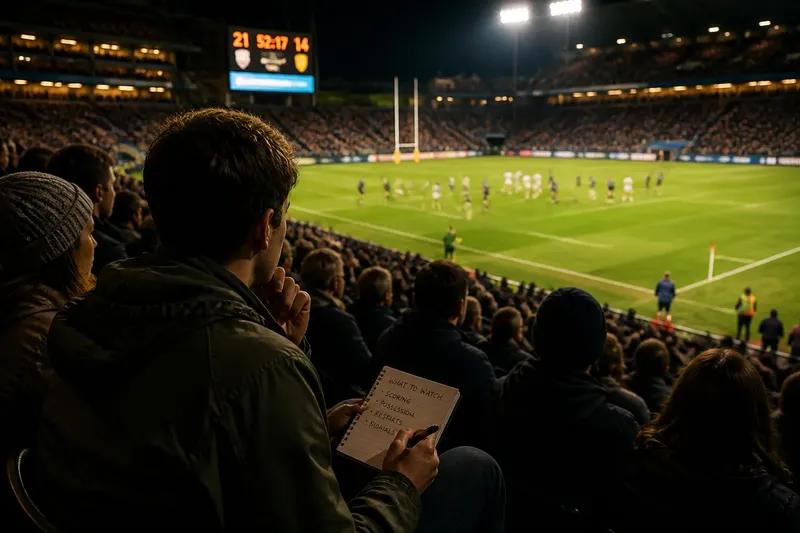
How Sports Scoreboards Present a Match to the Crowd
Learn how sports scoreboards present scores, periods and decisions, so you can read the match clearly and know when an official’s explanation matters.
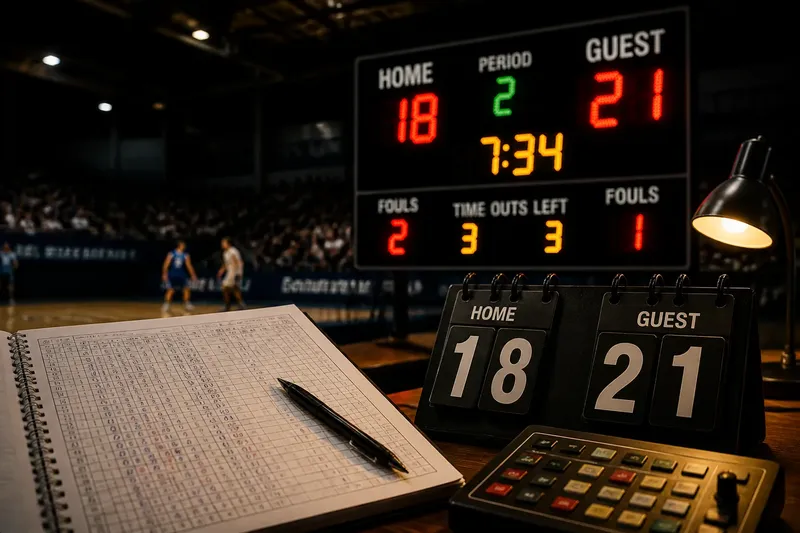
A sports scoreboard can show a team’s total while leaving the reason for a penalty unclear. To read sports scoreboards well, separate the figures on the display from the decisions officials make and the events that led to them.
What does a sports scoreboard actually record?
A scoreboard presents selected match information: perhaps points, goals, runs, sets, a period or a clock. The sport’s rules determine which events count and how they are recorded; the board displays information entered by an operator or supplied by a scoring system.
Not every action changes the score. A save, pass or missed attempt can shape play without earning a point. Even when a figure changes, the screen may not say why. A penalty, review or correction can require a referee’s signal or an announcement to explain the circumstances.
Some sports use several layers of scoring. A tennis display may show points within a game and games within a set. In cricket, runs and wickets appear alongside other match information. Read the labels before treating a figure as the overall total.
How do paper records, manual boards and electronic displays differ?
A paper scoresheet gives the recorder room to mark a sequence of events. It can preserve detail that a public board leaves out, but its handwriting and small format may be difficult for spectators to read from a distance.
A manual board makes a current total more visible to the crowd. Someone changes its panels or markers by hand, so it still depends on an operator to update it. An electronic display can show larger figures and additional fields, such as a period, clock or player names, when the venue and sport call for them.
These formats do not form a simple story in which one replaced another everywhere. A club may use a paper scoresheet alongside a board; a larger venue may use an electronic screen while officials retain a separate record. Each serves a different purpose: keeping detail, sharing a current state, or displaying selected information clearly.
What can the display tell you, and what needs an official?
A displayed total can help you see where the contest stands, but it is not a full account of play. The screen may lag behind an event, omit a ruling, or show a corrected score without explaining the change. The rules and officials determine the decision; the display communicates the recorded result.
When figures and play seem out of step, look for an official’s signal or announcement before deciding what happened. A board is useful as a reference, not as a substitute for the decision-making process. It is not worth trying to reconstruct every play from a display designed to show only selected facts.
How should you read sports scoreboards at a match?
- Check the labels beside each figure. If they identify points, sets or periods, read each number in that role; if labels are absent or unclear, wait for an announcement rather than guessing.
- Check which competitor each score belongs to. If names, colours or a stable left-to-right order identify the sides, use that arrangement; if not, confirm the pairing from the court or team labels before comparing totals.
- Check what the clock represents. If the display or competition identifies it as elapsed or remaining time, interpret it that way; if its direction is unclear, do not infer how long remains from the digits alone.
- Check whether the display has caught up with play. If the latest event appears after an official signal or completed scoring action, treat it as the current displayed record; if the old figure remains, allow for an update or announcement.
- Check whether a changed total follows a penalty, review or correction. If an official explains the change, use that explanation; if the screen changes without context, wait for the official signal or announcement.
- Check whether the screen is readable and active. If it is clear, use it for the displayed match state; if it is blank or hard to see, rely on official announcements rather than inventing a score.
Say you arrive at a badminton club while a match is in progress. The board shows one game for each player, but a smaller figure beside the server’s name is difficult to distinguish. First, use the clear game labels to understand the match position. Then wait for the next score to be called and watch which side serves; if the board updates alongside that call, you can identify the smaller figure as the current game score, while the scoresheet remains the fuller record. If the call and display disagree, leave the point unresolved until the official clarifies it.
Which scoreboard details do spectators often ask about?
Why is the clock counting up?
Some clocks show elapsed time rather than time remaining. Check the sport’s labels or the competition’s announcement; if neither clarifies the display, avoid assuming that a rising clock signals an error.
Why are there several numbers beside a score?
The display may show nested parts of a contest, such as points within a game and games within a set. Read each label separately; if one is missing, treat the number as uncertain rather than as another team total.
Does a scoreboard show the referee’s full decision?
Usually, it presents a result or selected match information, not the full reason for a ruling. If a penalty or correction appears without explanation, wait for the referee’s signal or announcement.
What should you do if the display is blank?
Use official announcements for the current score while the screen is unavailable. If no announcement has clarified a disputed point, wait rather than relying on a guess or an old figure.
What does a scoreboard leave out?
A score compresses the contest into recognised outcomes. It rarely explains the quality of a move, the reason for a ruling or the sequence that produced a total. Two matches with the same score can unfold differently.
That is why sports scoreboards are most useful when read alongside the officials’ signals and the play itself. The display tells you what has been entered; an official can explain a decision the figures cannot show. Keep those roles separate, and you can follow the match without mistaking a visible number for the whole story.